Window Tinting Services in Dearborn Heights, MI

Driving across Dearborn Heights, MI requires preparing for wide weather shifts throughout the year. Summers bring intense midday heat and humidity, while winter months create prolonged blinding glare across snow-covered highways. Professional Window Tinting Services in Dearborn Heights, MI provide essential relief from solar exposure, keeping vehicle cabins comfortable across Metro Detroit communities.
Automotive glass without specialized window film allows significant solar energy and ultraviolet radiation directly into the passenger cabin. Over time, persistent exposure degrades interior finishes, fades leather upholstery, and subjects passengers to elevated cabin temperatures. Investing in quality window film establishes a reliable thermal barrier that protects vehicle surfaces and enhances interior climate stability.
At TintedAF, serving drivers from facilities in Dearborn Heights and Sterling Heights, the focus centers on durable installations suited for Dearborn Heights, MI climates. Understanding film grades, legal limits, and proper post-installation care enables vehicle owners to make informed choices that improve comfort, privacy, and driving safety.
Table of Contents
Jump directly to any section of this comprehensive service guide.
Benefits of Automotive Window Film in Dearborn Heights, MI
Midwestern climates present distinct seasonal demands that challenge standard factory automotive glass. Solar heat penetrates untreated windows quickly during peak summer months, forcing climate control systems to work harder during daily commutes. Adding window film blocks substantial thermal energy before it enters the cabin, promoting consistent temperatures and reducing overall fuel and electrical consumption.
Ultraviolet protection represents another vital advantage of automotive window film. High-performance films reject up to ninety-nine percent of harmful ultraviolet rays, safeguarding occupants from skin damage and preventing interior trim components from cracking or fading prematurely.
Winter driving conditions in Dearborn Heights, MI present unique visibility challenges caused by low-angle sun reflecting off fresh snow and road ice. Investing in professional Window Tinting Services in Dearborn Heights, MI significantly reduces harsh road glare, decreasing driver eye fatigue during morning and evening rush hours across regional roadways.
- 1Enhanced thermal insulation against extreme summer heat and winter drafts.
- 2Protection against premature fading of leather, vinyl, and dashboard materials.
- 3Glare reduction that improves optical clarity on sunny and snowy roads.
- 4Added glass containment that helps hold shattered fragments in place during accidental impacts.
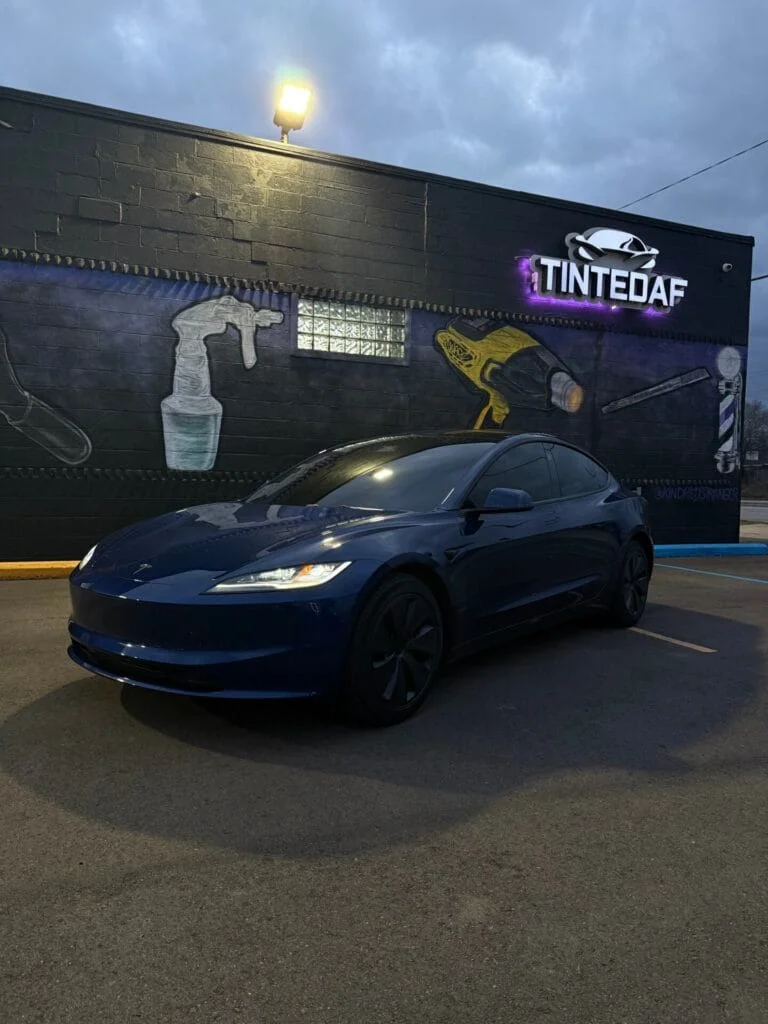
Window Film Varieties and Material Differences
Selecting the proper window film requires understanding the distinct materials used in modern automotive film manufacturing. Traditional dyed window films absorb light and provide privacy, representing an entry-level solution for basic glare control and aesthetic enhancement without high thermal rejection.
Carbon window films incorporate microscopic carbon particles embedded directly within the polyester layers. This composition creates an attractive matte finish that resists fading or discoloration over time while delivering solid infrared heat rejection and dependable UV shielding.
Ceramic window films represent the benchmark in modern window film technology. Infused with non-conductive ceramic nanoparticles, these advanced films target infrared light specifically, blocking substantial heat transfer without relying on dark tint shades or reflective metals.
Because ceramic and carbon films contain no metallic elements, they never interfere with vehicle electronics, radio reception, cellular devices, or GPS navigation systems. Drivers in Dearborn Heights and Sterling Heights can enjoy high thermal efficiency without compromising modern vehicle connectivity.
Dearborn Heights, MI Window Tint Laws and Legal Regulations
Operating a tinted vehicle in Dearborn Heights, MI requires strict compliance with state vehicle regulations outlined under Dearborn Heights, MI Compiled Laws section 257.709. State regulations establish clear boundaries for where and how darkly window film may be applied to passenger vehicles.
On front side windows, Dearborn Heights, MI law permits non-reflective tint exclusively on the top four inches of the driver and front passenger glass. Full window tint on front side windows is restricted unless the registered owner or frequent operator holds a valid medical exemption certificate issued by the state.
For rear side windows and the back windshield, Dearborn Heights, MI law permits any darkness level, including very dark five percent film, provided the vehicle is equipped with functional outside rearview mirrors on both sides.
- 1Windshield tint is allowed only along the top four inches or above the manufacturer AS-1 line.
- 2Front side windows are restricted to the top four inches without an official medical waiver.
- 3Rear side doors and rear windshield may utilize any shade darkness or darkness level.
- 4Tint applied to front glass must remain non-reflective to prevent hazardous road glare.
The Multi-Stage Window Tint Installation Process
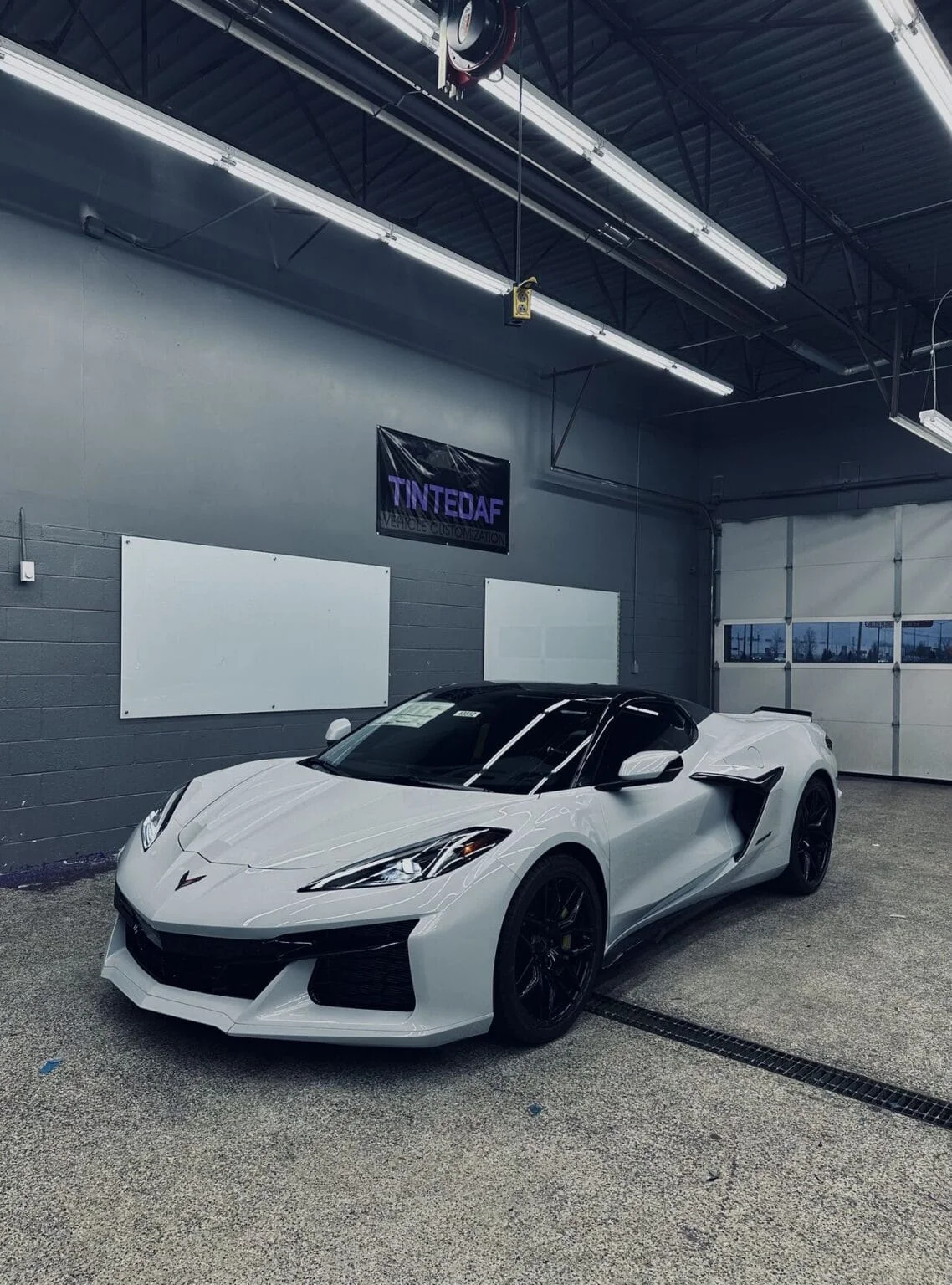
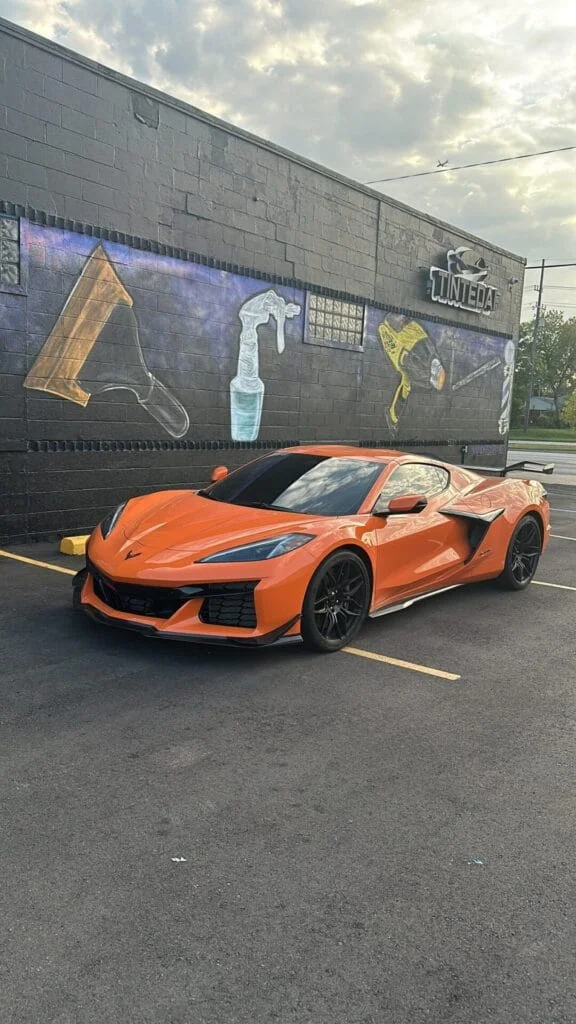
Professional installation ensures seamless adhesion, long-term durability, and flawless optical clarity across every glass panel. The process begins with extensive surface preparation to remove all traces of road oil, airborne dust, and adhesive residue.
Technicians thoroughly clean the interior and exterior surfaces of the glass using specialized slip agents, fine clay bars, and non-abrasive scrub pads to ensure a surgically clean foundation.
- 1Detailed mechanical and chemical decontamination of all interior and exterior glass panels.
- 2Precision cutting of window film patterns tailored to the vehicle specific glass geometry.
- 3Controlled exterior heat forming to shrink and contour the film to curved rear and side windows.
- 4Interior squeegee application to evacuate all mounting fluid and lock the adhesive to the glass.
Following fluid extraction, technicians perform a detailed edge-trimming inspection along window borders and gaskets, verifying that the film sits flush without bubbling or lifting before the vehicle is cleared for release.
Selecting the Ideal Tint Darkness and VLT Level
Window tint darkness is categorized by Visible Light Transmission, commonly referred to as VLT. This metric indicates the exact percentage of visible ambient light that passes through the film and glass into the vehicle interior.
A lower VLT percentage indicates a darker shade, while a higher VLT percentage provides greater optical transparency. Choosing the right shade depends on legal requirements, privacy preferences, and driving habits.
Common choices include five percent film, often referred to as limo tint, which delivers maximum privacy for rear cargo and passenger areas, and twenty percent film, which closely mirrors original factory rear privacy glass found on many modern trucks and SUVs.
For front side glass with medical exemptions or full vehicle clear ceramic packages, seventy percent or fifty percent films deliver comprehensive heat and UV rejection while preserving crystal-clear optical clarity for nighttime driving along unlit Dearborn Heights, MI roadways.

Seasonal Performance Across Dearborn Heights, MI Summers and Winters
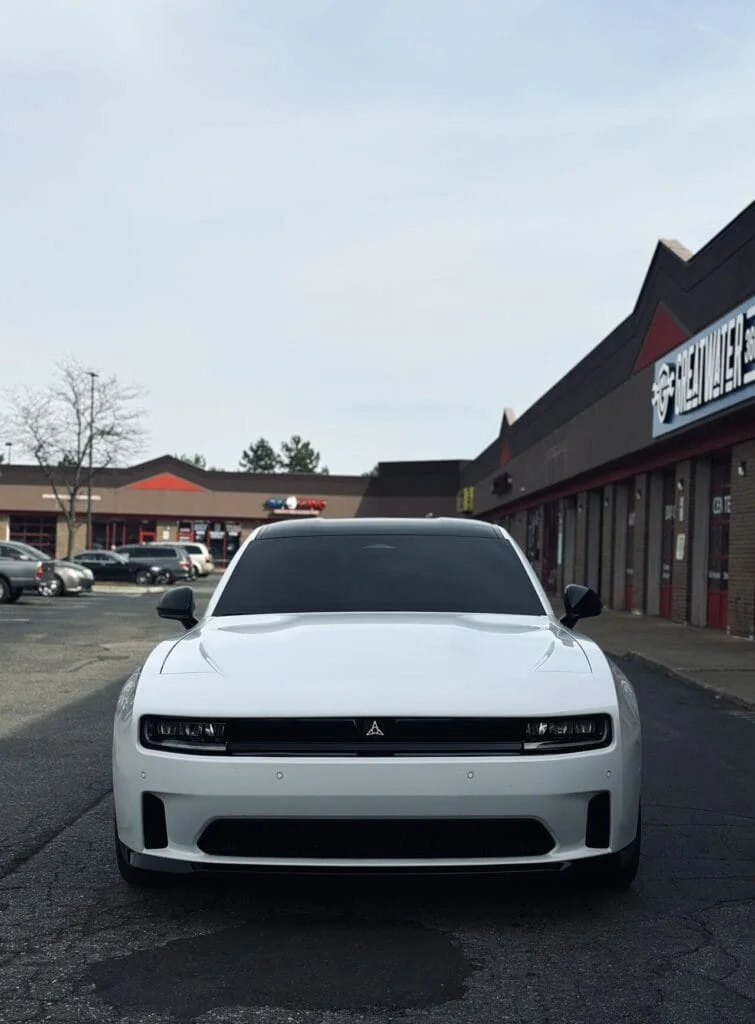
Dearborn Heights, MI climate swings demand materials capable of withstanding extreme thermal shifts. During humid summer months, hot sunlight elevates enclosed car temperatures well past ambient levels, placing significant strain on automotive air conditioning units.
Ceramic window films act as a reliable barrier against solar energy, allowing vehicle interiors to cool down much faster after sitting outside in parking lots or open driveways.
In winter conditions, window tint contributes to a balanced interior by reducing radiant heat transfer through cold glass surfaces. This subtle thermal barrier helps vehicle heaters maintain comfortable cabin temperatures during prolonged highway travel.
Furthermore, driving through snowy conditions creates harsh, blinding road reflection when bright sunlight hits icy pavement. Window film softens intense glare, preventing driver eye strain and promoting safer navigation during unpredictable Midwestern winter storms.
Window Tint Curing Time and Maintenance Guidelines
Newly installed window film requires a dedicated curing period to allow the water-based mounting solution to evaporate completely through the porous film layer. Maintaining proper precautions during this phase ensures a permanent, bubble-free bond.
Vehicle owners must keep all windows fully rolled up for three to five days after installation to prevent the rubber door seals from catching the bottom edge of the curing film.
- 1Leave windows fully rolled up for a minimum of three to five days following installation.
- 2Avoid touching, pressing, or poking temporary water haziness or small moisture pockets.
- 3Allow up to two to three weeks for full moisture evaporation during colder Dearborn Heights, MI winter weather.
- 4Clean exclusively with ammonia-free automotive glass cleaners and plush microfiber towels.
Never use abrasive brushes, scouring pads, or ammonia-based household window cleaners, as ammonia degrades the polyester matrix over time, causing premature discoloration, haze, and adhesive breakdown.
Contact Us Today
Have questions or need emergency service? Reach out to our dedicated team anytime.
TINTEDAF
Fast, dependable support and honest pricing across our service area.
Frequently Asked Questions
Find clear, helpful answers to common questions regarding our process, pricing, equipment, and satisfaction guarantee.